Cattleya Alliance·8 min read
Why Your Cattleya Hasn't Bloomed in Three Years
The answer is almost never water, light, or fertilizer. It's almost always temperature — specifically, the 10–15°F drop your plant never received.
Read the full piece →
 Bloom
BloomCare knowledge for windowsill collectors, humidity architects, and show bench chasers — told as the story of a single bloom.
Dormancy
I bought my first cattleya division in November. Three months of nothing. No new roots, no leaf movement, no sign the plant was alive at all. I checked the roots every three days. I adjusted the watering. I moved it closer to the window, then further. I was convinced I had killed it. I hadn't killed it. I just didn't understand dormancy.
The moment of risk: Most orchids are lost here. Not from neglect — from too much attention. The impulse to do something is the enemy of dormancy. Every unnecessary watering is a wound.
Care note
Reduce watering to once every 14–21 days during winter dormancy. No fertilizer. Maintain the same light. The plant is storing energy, not dying. Cool nights (55–60°F) signal the root system that spring is coming.
Root Flush
February. I was about to give up when I lifted the pot and saw it: bright green root tips pushing through the drainage holes. Not white. Green. Actively growing. The plant had been doing something all winter — I just couldn't see it. Root flush is the orchid's commitment statement. When roots move, the plant has decided it's safe to grow.
The moment of risk: New root tips are fragile. One overwatering while they're pushing can rot the tip and set the plant back six weeks. Let the bark dry completely between waterings until the roots are at least an inch long.
Care note
Resume regular watering as root tips appear. Begin half-strength fertilizer (20-20-20) every other watering. Increase humidity to 50–60% if possible. This is the moment the plant decides whether your environment is worth investing in.
Leaf Growth
The new growth came slowly at first — a pale green sheath pushing from the base of the pseudobulb. By April it had unfurled into something substantial: thick, waxy, the deep green of a plant that has access to everything it needs. I started paying attention differently. Not to whether the plant was doing something visible, but to whether I was giving it what it needed to do invisible things.
Care note
Increase fertilizer to full strength during active leaf growth. Consistent watering rhythm matters more than any single watering decision. Aim for 50–70% relative humidity. New leaves should be firm and upright — soft or wrinkled leaves signal dehydration, not overwatering.
Spike Emergence
It looked like a new leaf at first. Same pale green sheath, same upward angle. But it was too round at the tip. Too blunt. I'd been growing for two years by then, and I recognized it immediately: a bloom spike. I didn't tell anyone for three weeks. I was afraid to jinx it.
The moment of risk: Do not move the plant once a spike is visible. Orchids orient their spikes toward light sources and rotating the pot will cause the spike to twist, potentially snapping. Mark the light-facing side with a small piece of tape.
Care note
Maintain steady conditions: same light, same temperature, same watering frequency. Introduce a 10–15°F temperature drop at night (55–60°F) to encourage bud development. Switch to a high-phosphorus fertilizer (10-30-20) to support flowering.
Bud Development
Bud blast is the cruelest thing in orchid growing. You've waited months. The spike is perfect. The buds are swelling. And then, over three days, they yellow and drop. One by one. I lost my first spike to bud blast. Gas leak from a nearby stove. I didn't know that ethylene gas — from gas stoves, ripening fruit, cut flowers — triggers bud drop. I know now.
The moment of risk: Keep orchids away from fruit bowls, gas stoves, and cut flower arrangements during bud development. Ethylene gas causes bud blast. Also avoid temperature swings below 55°F and drafts from heating vents.
Care note
Mist the air around (not on) developing buds to maintain humidity. Continue nighttime temperature drops. Do not fertilize once buds are fully formed — the plant's energy is directed toward bloom, not growth. Patience is the only active ingredient at this stage.
Full Bloom
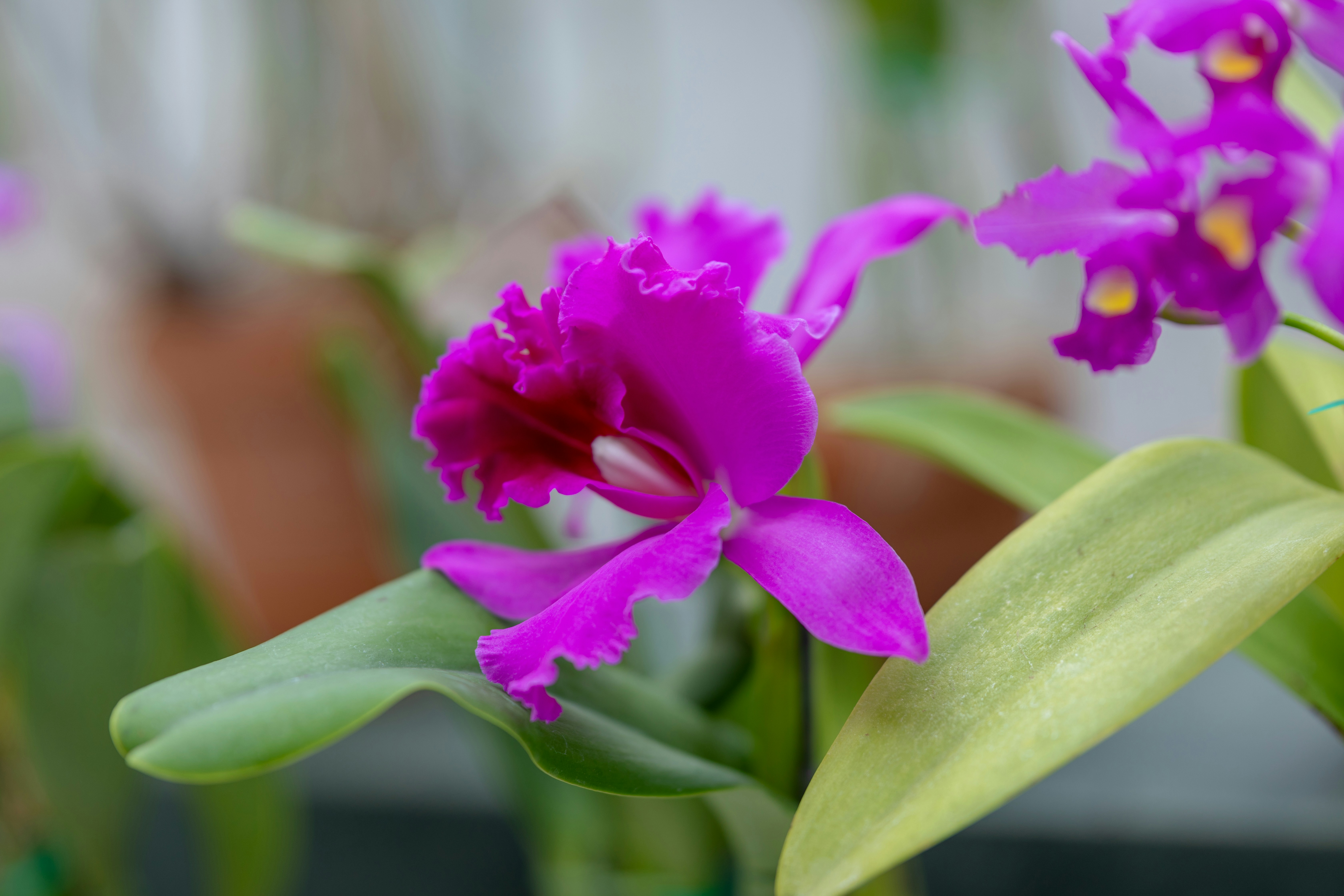
May 14th. I remember the date. The first blossom opened overnight — a deep rose-purple cattleya with a labellum the color of a bruise, yellow-gold at the center, petals wide and slightly ruffled at the edges. It was more than I'd expected. Two years of failures. A root rot incident in year one that I'm not proud of. A bud blast in year two that I still think about. And then this: one impossible bloom hanging perfectly still in the silence of my spare bedroom. That's the thing about orchids. They don't reward effort. They reward understanding.
Care note
Blooms last 6–14 weeks depending on genus. Move the plant away from direct sunlight to prolong bloom life. After blooming, cut the spike back to the base (Cattleya) or leave a node (Phalaenopsis) for potential secondary spike. Begin the dormancy cycle again — and this time, you'll know what the silence means.
— From the Bloom growing journal, February 2024
Discover your growing style →Five questions. No wrong answers. You'll receive a personalized growing profile — Windowsill Nurturer, Humidity Architect, or Show Bench Chaser — with a tailored care guide sent to your inbox.
Takes about two minutes. Your orchids will thank you.
"I'd killed seven Phalaenopsis before Bloom. The stage-by-stage breakdown finally made root rot make sense to me."
Margaret Chen
Apartment grower, Seattle
"The quiz told me I was a Humidity Architect before I'd even bought my first hygrometer. It was uncomfortably accurate."
Robert Okafor
Retired botanist, Houston
"I've been growing Cattleyas for eleven years and still learned something from the dormancy section."
Patricia Navarro
AOS member, San Diego
"Finally a resource that doesn't treat windowsill growers like we're doing it wrong."
James Whitfield
Collector, Chicago
"The origin story format is genius. I didn't realize I'd read 3,000 words of care advice until I was done."
Susan Park
Hobbyist, Portland
"Bloom is the only orchid resource I've recommended to my local society members."
David Kimura
Regional AOS judge, Los Angeles
"I'd killed seven Phalaenopsis before Bloom. The stage-by-stage breakdown finally made root rot make sense to me."
Margaret Chen
Apartment grower, Seattle
"The quiz told me I was a Humidity Architect before I'd even bought my first hygrometer. It was uncomfortably accurate."
Robert Okafor
Retired botanist, Houston
"I've been growing Cattleyas for eleven years and still learned something from the dormancy section."
Patricia Navarro
AOS member, San Diego
"Finally a resource that doesn't treat windowsill growers like we're doing it wrong."
James Whitfield
Collector, Chicago
"The origin story format is genius. I didn't realize I'd read 3,000 words of care advice until I was done."
Susan Park
Hobbyist, Portland
"Bloom is the only orchid resource I've recommended to my local society members."
David Kimura
Regional AOS judge, Los Angeles
Not tips. Not listicles. Long-form care writing for growers who want to understand, not just follow instructions.
The answer is almost never water, light, or fertilizer. It's almost always temperature — specifically, the 10–15°F drop your plant never received.
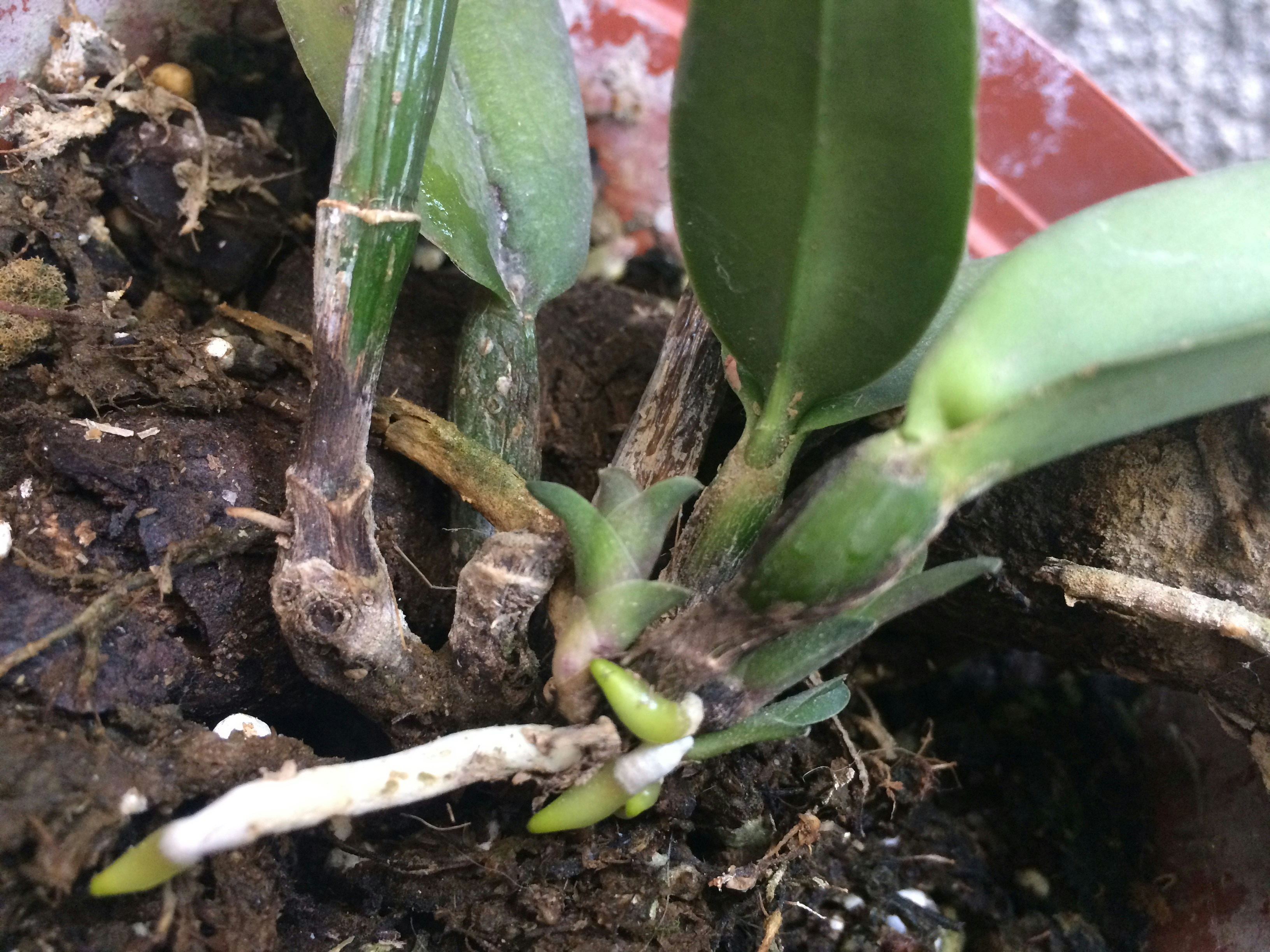
Silver-white and papery means dry and ready. Bright green means freshly watered. Brown and mushy means something went wrong weeks ago. Learn to read before you water.
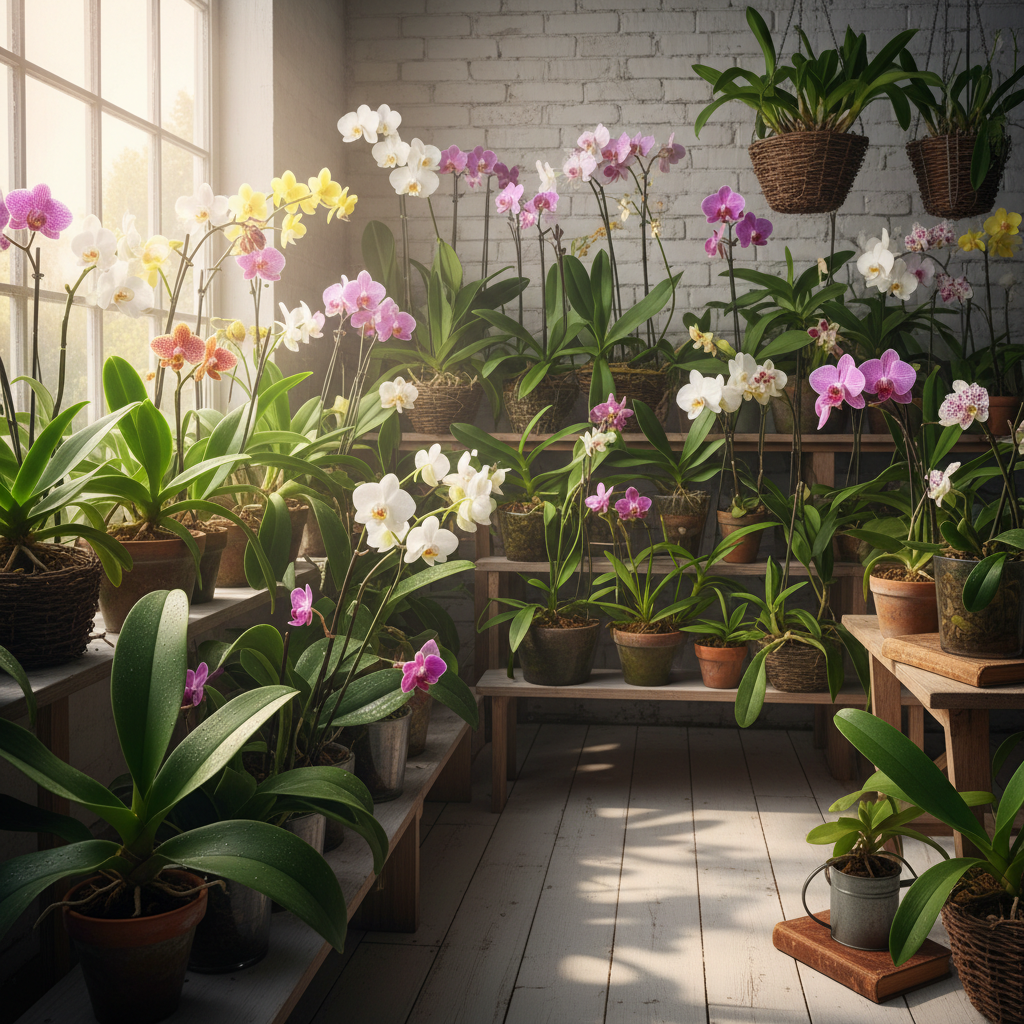
A plastic storage tote, a USB humidifier, a small fan, and a hygrometer. That's it. I've grown Masdevallias in a Chicago apartment for four years with this setup.
147 pieces and counting
Join 4,200 growers who've discovered their style, solved their reblooming problem, or simply found a quiet corner of the internet that understands them.